
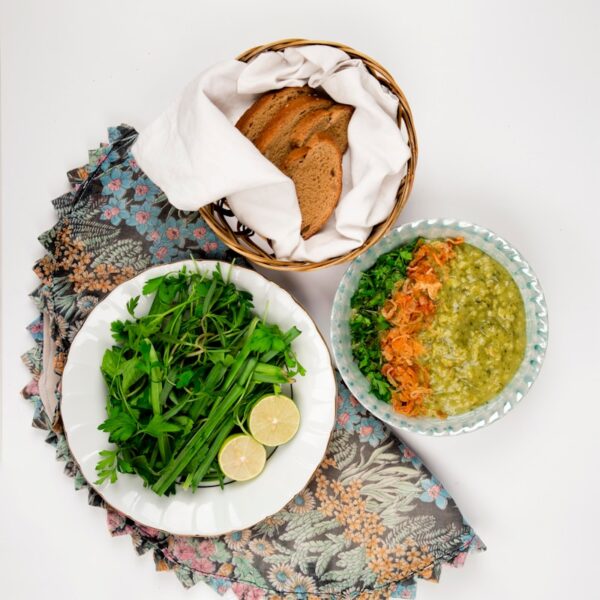
If you’re looking for a way of eating that genuinely supports healthy blood pressure — one that’s backed by decades of research, full of real flavorful food, and actually sustainable long term — the Mediterranean diet for blood pressure management is one of the most powerful places to start.
It’s not a fad. It’s not a quick fix. The Mediterranean diet for blood pressure has been studied in large scale clinical trials, reviewed in hundreds of research papers, and consistently shown to produce meaningful reductions in both systolic and diastolic blood pressure across diverse populations.
But what makes it so effective? What does it actually look like on a real plate? And how do you start without overhauling your entire life? That’s exactly what this post is going to answer.
What Is the Mediterranean Diet for Blood Pressure?
The Mediterranean diet for blood pressure is based on the traditional eating patterns of countries bordering the Mediterranean Sea — Greece, Italy, Spain, Morocco, Lebanon, and Turkey. It’s less of a strict meal plan and more of a framework for eating that emphasizes specific food groups over others.
At its core the Mediterranean diet for blood pressure looks like this:
- Abundant non-starchy vegetables — leafy greens, tomatoes, peppers, zucchini, cucumber, and eggplant
- Legumes — chickpeas, lentils, white beans, and black beans as a primary protein source
- Whole grains — brown rice, farro, whole wheat couscous, and whole grain bread
- Fatty fish — salmon, sardines, and mackerel at least twice a week
- Extra virgin olive oil — as the primary cooking fat
- Fresh herbs and spices — for flavor instead of salt
- Moderate amounts of poultry, eggs, and dairy
- Limited red meat and processed foods
What distinguishes the Mediterranean diet for blood pressure from other approaches is that it’s built on abundance rather than restriction. You’re eating more of the foods that actively support your cardiovascular health — and naturally crowding out the ones that don’t.
What the Research Says About the Mediterranean Diet for Blood Pressure
The evidence supporting the Mediterranean diet for blood pressure is substantial and consistent across decades of research.
The PREDIMED trial — one of the largest and most rigorous nutrition studies ever conducted — followed over 7,000 participants at high cardiovascular risk. Results showed that people following a Mediterranean diet had significantly lower rates of major cardiovascular events and measurable reductions in blood pressure compared to those following a low-fat diet.
A 2021 review published in the journal Nutrients analyzed 32 separate studies and found that adherence to the Mediterranean diet for blood pressure management was consistently associated with lower systolic and diastolic readings across diverse populations.
The DASH diet — Dietary Approaches to Stop Hypertension — which was specifically designed to lower blood pressure, shares significant overlap with the Mediterranean diet. Both emphasize potassium-rich vegetables, legumes, whole grains, lean protein, and healthy fats. Many nutrition researchers now recommend a combined DASH-Mediterranean approach as the most evidence-based dietary strategy for blood pressure management.
The research is clear — the Mediterranean diet for blood pressure works, consistently, across populations, over time.
Why the Mediterranean Diet for Blood Pressure Actually Works
There are specific nutritional mechanisms behind why the Mediterranean diet for blood pressure is so effective. Here’s what’s happening at the cellular level:
Potassium and magnesium — The Mediterranean diet for blood pressure is built on potassium and magnesium-rich foods — leafy greens, sweet potatoes, chickpeas, lentils, tomatoes, and avocado. Potassium helps your kidneys flush excess sodium from your body, which directly lowers blood pressure. Magnesium helps relax the walls of your blood vessels. Most women with high blood pressure are not getting enough of either mineral.
Omega-3 fatty acids — Fatty fish like salmon, sardines, and mackerel — cornerstones of the Mediterranean diet for blood pressure — are rich in EPA and DHA. These omega-3 fatty acids reduce inflammation in blood vessel walls, improve their flexibility, and directly support lower blood pressure readings. Stiff, inflamed blood vessels are a primary driver of elevated blood pressure.
Extra virgin olive oil — Olive oil is the defining fat of the Mediterranean diet for blood pressure. It’s rich in oleic acid and polyphenols — compounds that reduce oxidative stress and inflammation throughout the cardiovascular system. Studies consistently show that regular olive oil consumption is associated with lower blood pressure and reduced cardiovascular risk.
Fiber from whole grains and legumes — Soluble fiber — found in lentils, chickpeas, oats, and whole grains — binds to cholesterol and excess sodium in the digestive tract before they enter the bloodstream. High fiber diets are consistently associated with lower blood pressure and better cardiovascular outcomes.
Naturally low in sodium — Traditional Mediterranean cooking relies on herbs, spices, lemon juice, and olive oil for flavor rather than salt. This is one of the reasons the Mediterranean diet for blood pressure is so effective — it naturally keeps sodium intake lower without requiring you to eat flavorless food.
Antioxidants from vegetables and spices — The Mediterranean diet for blood pressure is extraordinarily rich in antioxidants — from tomatoes, garlic, leafy greens, fresh herbs, and spices like turmeric and cumin. These compounds reduce the oxidative stress and inflammation that are directly linked to elevated blood pressure over time.
What a Mediterranean Diet for Blood Pressure Dinner Looks Like
One of the most common misconceptions about the Mediterranean diet for blood pressure is that it requires exotic ingredients or complicated recipes. It doesn’t. Here’s what a typical dinner looks like in practice:
- Baked salmon with lemon, garlic, and fresh dill served with roasted vegetables and brown rice
- Moroccan spiced chickpea stew over whole wheat couscous with fresh cilantro
- Mediterranean chicken and chickpea bowl with cucumber, tomatoes, olive oil, and fresh parsley
- Red lentil soup with vegetables and lemon served with whole grain bread
- Chicken shakshuka with eggs, spiced tomato sauce, and whole grain pita
Notice what these dinners have in common. They’re built around vegetables, legumes, and fish. They use olive oil and fresh herbs for flavor. They include whole grains. They’re naturally low in sodium. And they’re genuinely good — not diet food, not bland health food, but real flavorful meals that happen to be excellent for your blood pressure.
That combination of flavor and function is exactly what makes the Mediterranean diet for blood pressure sustainable long term. You’re not forcing yourself through meals you don’t enjoy. You’re eating food you actually want to make again.
How to Start the Mediterranean Diet for Blood Pressure
You don’t need to change everything at once to start seeing the benefits of the Mediterranean diet for blood pressure. Here’s a simple progression:
- This week — add one Mediterranean inspired dinner. Salmon with lemon and garlic is the easiest starting point.
- Next week — switch your cooking oil to extra virgin olive oil if you haven’t already.
- The following week — add one legume-based dinner. A chickpea bowl or lentil soup counts.
- Going forward — fill half your plate with vegetables at every dinner. That one habit amplifies everything else you’re doing with the Mediterranean diet for blood pressure.
Small consistent changes over time are what the research shows actually moves blood pressure numbers. You don’t need a dramatic overhaul. You need a clear direction — and the Mediterranean diet for blood pressure gives you one that’s backed by decades of science and genuinely enjoyable to follow.
Mediterranean Diet for Blood Pressure and Medication
An important note — the Mediterranean diet for blood pressure is a powerful complement to blood pressure management, not a replacement for medication if your doctor has prescribed it. Many women find that consistent dietary changes allow them to reduce their medication over time, but that is always a conversation to have with your healthcare provider based on your specific numbers and health history.
What the Mediterranean diet for blood pressure does is give your body the nutritional foundation it needs to support healthy readings — working alongside whatever other management strategies you have in place, not in competition with them.
Ready to Start the Mediterranean Diet for Blood Pressure Tonight?
If you’re ready to put the Mediterranean diet for blood pressure into practice tonight, I put together a free guide with 7 Mediterranean inspired dinners specifically chosen to help lower your blood pressure — complete with ingredients and a blood pressure benefit note for each one. Different flavors, different cuisines, all built around the principles we just covered. Grab it free at the link below.
The Mediterranean diet for blood pressure has decades of research behind it. Tonight is a good night to start.


[…] The Mediterranean diet brings all of these principles together in one sustainable eating pattern. It is not a diet in the traditional sense. It is a way of eating that has decades of cardiovascular research behind it — and it is one of the most powerful tools available for managing blood pressure naturally. […]