
If you have high blood pressure, one of the first questions you probably asked was — what should I actually be eating? The good news is that there are specific foods that lower blood pressure naturally, and most of them are already familiar, affordable, and easy to cook with.
The even better news is that you don’t have to overhaul your entire diet to see results. Research consistently shows that adding more of the right foods — while gradually cutting back on a handful of common culprits — can produce meaningful reductions in blood pressure over time.
In this post we’re going to cover exactly that. Twelve foods that lower blood pressure and support your heart health, plus six foods worth cutting back on and why. No scare tactics. No impossible lists. Just practical information from a registered dietitian who works with women managing high blood pressure every day.
12 Foods That Lower Blood Pressure
These are the foods that research consistently shows support healthy blood pressure. The more of these you can work into your regular dinner rotation, the better.
1. Leafy Greens
Spinach, kale, Swiss chard, and arugula are among the best foods that lower blood pressure because of their exceptionally high potassium content. Potassium helps your kidneys flush excess sodium from your body — which directly reduces blood pressure. One cup of cooked spinach contains over 800mg of potassium. Aim to include leafy greens in at least four dinners per week.
2. Salmon and Fatty Fish
Salmon, sardines, and mackerel are rich in EPA and DHA — omega-3 fatty acids that reduce inflammation in blood vessel walls, improve their flexibility, and directly support lower blood pressure readings. Studies show that eating fatty fish two to three times per week is associated with significantly lower cardiovascular risk. This makes salmon one of the most powerful foods that lower blood pressure available.
3. Berries
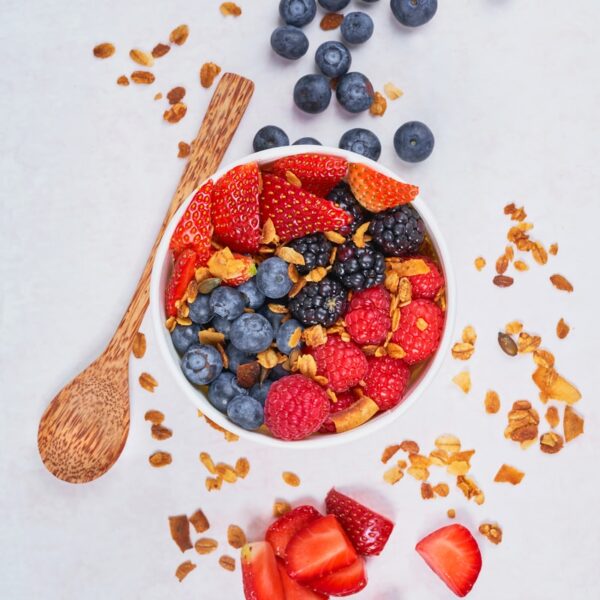
Blueberries, strawberries, and raspberries are loaded with flavonoids — plant compounds that research shows are directly linked to lower blood pressure. A study published in the American Journal of Clinical Nutrition found that people who regularly ate berries had measurably lower systolic blood pressure. Add them to oatmeal, yogurt, or smoothies daily for best results.
4. Chickpeas and Lentils
Legumes are among the most underrated foods that lower blood pressure. Chickpeas and lentils are rich in potassium, magnesium, and soluble fiber — three nutrients that work together to support healthy blood pressure. Magnesium helps relax blood vessel walls. Fiber helps manage cholesterol and sodium levels. A Mediterranean or DASH inspired dinner built around legumes checks multiple blood pressure boxes at once.
5. Olive Oil
Extra virgin olive oil is rich in oleic acid and polyphenols — compounds that reduce oxidative stress and inflammation throughout the cardiovascular system. Using olive oil as your primary cooking fat and salad dressing is one of the simplest ways to incorporate foods that lower blood pressure into your daily routine without changing your recipes dramatically.
6. Beets
Beets are one of the most studied foods that lower blood pressure. They’re high in dietary nitrates which your body converts to nitric oxide — a compound that relaxes and widens blood vessels, directly reducing blood pressure. Research shows that drinking beet juice or eating roasted beets regularly can lower systolic blood pressure by 4 to 10 points. Roast them as a side dish or add them to salads.
7. Oats
Starting your day with oatmeal is one of the most evidence-based dietary habits for blood pressure management. Oats are rich in beta-glucan — a soluble fiber that reduces LDL cholesterol and helps regulate blood pressure. Studies show that regular oat consumption is associated with lower systolic and diastolic readings. Choose plain rolled oats over flavored instant varieties which are often high in added sugar and sodium.
8. Bananas
Bananas are one of the most convenient foods that lower blood pressure. A medium banana contains around 420mg of potassium — and as we’ve covered, potassium is one of the most direct dietary tools for blood pressure management. Keep them on your counter and eat one daily as a simple, consistent habit.
9. Garlic
Garlic contains allicin — a compound that studies show helps relax blood vessels and reduce blood pressure. Research suggests that regular garlic consumption can lower systolic blood pressure by 6 to 8 points in people with hypertension. Use fresh garlic generously in your cooking. It adds flavor, reduces your need for salt, and actively supports your blood pressure at the same time.
10. Sweet Potatoes
Sweet potatoes are an excellent source of potassium and magnesium — two of the most important minerals for blood pressure management. One medium sweet potato contains nearly 700mg of potassium. They’re also naturally sweet and satisfying which makes them easy to work into dinners regularly. Bake them, mash them, or cube and roast them as a simple side dish.
11. Tomatoes
Tomatoes — especially cooked tomatoes — are rich in lycopene, potassium, and vitamin C. Lycopene is one of the most powerful cardiovascular antioxidants available and research consistently links higher lycopene intake to lower blood pressure and reduced heart disease risk. Cooking tomatoes in olive oil actually increases lycopene absorption, which makes a simple tomato-based sauce one of the most heart-healthy things you can put on your dinner table.
12. Dark Chocolate
Good news — dark chocolate with 70 percent or higher cocoa content belongs on the list of foods that lower blood pressure. It’s rich in flavanols that stimulate nitric oxide production, helping blood vessels relax. Studies show that small daily amounts of dark chocolate are associated with lower blood pressure readings. Keep it to one ounce per day and choose varieties with minimal added sugar.
6 Foods Worth Cutting Back On
These aren’t foods you need to eliminate completely — but they’re worth being intentional about because they can work against the foods that lower blood pressure that you’re adding in.
1. Processed and Cured Meats
Bacon, sausage, deli meats, and hot dogs are extremely high in sodium and saturated fat — both of which raise blood pressure over time. A single serving of deli turkey can contain 400 to 600mg of sodium. These are worth limiting to occasional rather than regular in your meal rotation.
2. Canned Soups and Packaged Broths
A single can of regular soup can contain 800 to 1,500mg of sodium — more than half your daily limit in one bowl. Regular packaged broth can have up to 900mg per cup. Switching to low-sodium versions of both is one of the fastest ways to reduce sodium intake without changing what you cook.
3. Frozen and Fast Food Meals
Restaurant meals and frozen dinners are two of the biggest contributors to excess sodium in the American diet. A single fast food meal can easily contain 2,000 to 3,000mg of sodium. Frozen dinners are often similarly high. Cooking at home most nights — even simple meals — is one of the most impactful things you can do for your blood pressure.
4. Sugary Beverages
Soda, sweetened juices, energy drinks, and sweetened coffee beverages contribute to weight gain and insulin resistance — both of which are linked to elevated blood pressure over time. Replacing sugary drinks with water, sparkling water, or unsweetened herbal tea is a simple habit change that supports blood pressure management from multiple angles.
5. Excess Alcohol
Drinking more than one alcoholic beverage per day for women is consistently linked to higher blood pressure readings. Alcohol causes blood vessels to constrict and over time contributes to arterial stiffness. If you drink regularly, cutting back to one drink or fewer per day is a meaningful step toward better blood pressure management.
6. Packaged Snack Foods
Chips, crackers, pretzels, and salted nuts are significant sources of sodium that add up quickly between meals. A single serving of regular crackers can contain 200 to 400mg of sodium — and most people eat more than one serving. Swapping to unsalted nuts, fresh fruit, or vegetables with hummus gives you satisfying snacks that support rather than work against the foods that lower blood pressure you’re building your meals around.
Putting It All Together
You don’t need to add all 12 foods that lower blood pressure to your diet this week. Start with two or three that are already familiar and build from there. Salmon twice a week. A banana every morning. Spinach in your dinner a few nights. Garlic in everything you cook.
At the same time pick one or two items from the limit list that show up most often in your current routine and start making small swaps. Regular broth to low-sodium broth. Soda to sparkling water. That’s it to start.
Small consistent changes over time are what the research shows actually moves blood pressure numbers. You don’t need a dramatic overhaul. You just need a direction — and now you have one.
Want to See These Foods in Action?
If you want to see exactly how these foods that lower blood pressure come together in a real dinner, I put together a free guide with 7 dinners built around these very ingredients — complete with a blood pressure benefit note for each one. Different flavors, different cuisines, all designed to help lower your blood pressure starting tonight. Grab it free at the link below.
You now know exactly which foods lower blood pressure — and which ones are worth cutting back on. Tonight is a great night to put it into practice.


Leave a Comment