
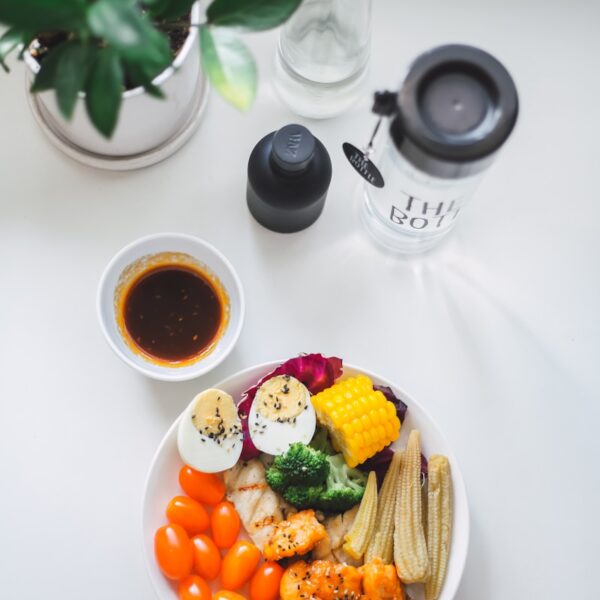
If you’ve recently started a GLP-1 medication like Ozempic, Wegovy, Mounjaro, or Zepbound — or you’re thinking about it — you probably have one big question on your mind: what am I supposed to eat. It sounds simple. But knowing what to eat on GLP-1 medications is one of the most important things you can do to protect your health, maximize your results, and make sure the weight you lose stays off — with or without the medication long term.
As a holistic dietitian who works with women navigating GLP-1s, I see the same gap over and over: the prescription gets written, but nobody hands you a real nutrition plan. You’re left Googling at midnight, trying to figure out why you feel sick, why your hair is falling out, or why the scale has stalled.
Let me help you.
This is your complete, evidence-based GLP-1 diet guide — written by a dietitian who believes the medication is just the beginning, not the whole story.
First, Why Does Your GLP-1 Diet Actually Matter?
GLP-1 (glucagon-like peptide-1) medications work by mimicking a hormone your gut naturally releases after eating. They slow digestion, reduce appetite, and signal your brain that you’re full. The result? You eat less, lose weight, and improve blood sugar control.
But here’s what most people don’t realize: because you’re eating less, every single bite carries more weight — nutritionally speaking. When your appetite is suppressed, it’s dangerously easy to under-eat protein, skimp on fiber, skip healthy fats, and end up with nutrient deficiencies that cause fatigue, muscle loss, hair thinning, and slowed metabolism.
A well-designed GLP-1 plan prevents all of that while amplifying your results. The women I work with who see the best, most lasting outcomes aren’t just taking their meds and hoping for the best. They’re eating strategically and building habits that carry them forward long after the medication.
Understanding GLP-1 Side Effects — And How Food Fixes Them
Before we talk about what to eat on GLP-1, let’s talk about why some foods feel terrible on it. The most common GLP-1 side effects are nausea, vomiting, constipation, and diarrhea. These happen because the medication slows your digestion, affects your central nervous system, and shifts your hormone balance. Your GLP-1 diet can directly manage — and often eliminate — these side effects. Here’s how.
Eat small, frequent meals.
Instead of three large meals, aim for 4-5 smaller ones throughout the day. This keeps your digestive system from getting overwhelmed and dramatically reduces nausea. Think of it as working with the medication’s slower digestion, not against it.
Choose bland, easy-to-digest foods on hard days.
Crackers, toast, rice, applesauce, and bananas are gentle on your stomach and provide nutrients without adding digestive stress. These are your go-to foods on injection days or during dose increases.
Cut out high-sugar and high-fat foods.
These are the biggest culprits for worsening GI symptoms on a GLP-1 diet. Sugary desserts, fried foods, fatty cuts of meat, and rich sauces can trigger nausea and diarrhea. Swap them for lean proteins, whole grains, fruits, and vegetables.
Add fiber — but go slow.
Fiber prevents constipation, which is one of the most common complaints on GLP-1 medications. But adding too much fiber too fast creates bloating. Start with small amounts of oatmeal, beans, berries, and leafy greens, then gradually increase over a few weeks.
Don’t skip probiotics.
Fermented foods like yogurt, kefir, sauerkraut, and kimchi support your gut bacteria balance and can significantly reduce diarrhea. A daily probiotic-rich food is a simple addition that makes a real difference on a GLP-1 diet.
What to Eat on GLP-1: Your Complete Nutrition Blueprint
Now let’s get into the heart of it. Here is exactly what to prioritize in your GLP-1 diet — and why each piece matters.
1. Protein: Your Most Important GLP-1 Diet Priority
If there’s one thing I want every woman on a GLP-1 to understand, it’s this: you must eat enough protein. Rapid weight loss — especially with appetite suppression — puts you at real risk of losing muscle alongside fat. Muscle loss slows your metabolism, weakens your body, and makes it much harder to maintain your results long term. Protein protects your muscle, promotes satiety, supports tissue repair, and keeps your metabolism working in your favor.
On a GLP-1, aim for lean meats like chicken and turkey, fish, eggs, beans, lentils, tofu, and low-fat dairy like Greek yogurt and cottage cheese. Make protein the first thing on your plate at every single meal — before anything else.
A good general target is 0.55–0.75 grams of protein per pound of body weight daily — and since GLP-1 medications suppress appetite and make it easy to under-eat, being intentional about hitting that number is non-negotiable.
2. Colorful Fruits and Vegetables
A GLP-1 diet should be built around produce. Fruits and vegetables are packed with vitamins, minerals, antioxidants, and fiber — all the nutrients your body needs to function well and feel good when you’re eating less overall. Aim for as much color variety as possible. Leafy greens like spinach and kale, cruciferous vegetables like broccoli and cauliflower, colorful peppers, berries, apples, and citrus all bring different micronutrients to the table. The more colors, the broader your nutritional coverage.
3. Whole Grains for Sustained Energy
Refined carbohydrates can spike blood sugar and worsen GI symptoms on a GLP-1 diet. Whole grains are the better choice — they digest slowly, provide sustained energy, and are rich in fiber that supports digestive health. Quinoa, brown rice, oats, and barley are excellent options. They keep blood sugar stable, support your gut health, and give you the energy you need to stay active and engaged in your life.
4. Healthy Fats — Don’t Skip Them
Fat has a bad reputation, but healthy fats are essential on a GLP-1 diet. Avocados, nuts, seeds, olive oil, and fatty fish like salmon and mackerel support heart health, reduce inflammation, help absorb fat-soluble vitamins, and keep you satisfied between meals. The key is portion awareness. Because fat slows digestion and GLP-1 medications already slow gastric emptying, large amounts of fat at one meal can worsen nausea. Keep fat portions moderate and spread them throughout the day.
5. Water: The Most Underestimated Part of Your GLP-1 Diet
Staying hydrated is critical on a GLP-1 diet. Women need about 91 ounces of total water per day (more if you’re active or in a warm climate). Adequate hydration supports digestion, circulation, energy levels, and cognitive function — and it directly helps manage nausea and constipation, two of the most common GLP-1 side effects. Herbal teas and water-rich foods like cucumbers, watermelon, celery, and leafy greens count toward your daily total. Keep a water bottle with you at all times and sip consistently throughout the day rather than drinking large amounts at once.
The Holistic Side of GLP-1 Nutrition: What Goes Beyond the Plate
Here’s where my approach as a holistic dietitian differs from a standard GLP-1 diet guide. Food is foundational — but it’s only one piece of sustainable weight loss. If you want results that last with or without medication, these lifestyle habits are just as important as what to eat on GLP-1:
Move your body with intention.
Exercise — especially strength training — is non-negotiable on a GLP-1 diet. It preserves the muscle you’re working so hard to protect through protein intake, supports metabolic health, improves mood, and builds the physical confidence that keeps you going. You don’t need to do anything extreme. Walking, resistance training, yoga, swimming — find movement you genuinely enjoy and do it consistently.
Manage your stress.
Chronic stress raises cortisol, which drives fat storage and triggers cravings for exactly the foods that work against your GLP-1 diet. Breathwork, journaling, therapy, nature walks, prayer — whatever helps you decompress is a legitimate part of your health plan.
Protect your sleep.
Sleep deprivation increases ghrelin (your hunger hormone) and decreases leptin (your fullness hormone) — literally the worst hormonal combination for someone trying to lose weight. Protecting your sleep is as important as protecting your GLP-1 diet. Aim for 7-9 hours consistently.
Practice mindful eating.
GLP-1 medications quiet your hunger signals, but mindful eating keeps you connected to your body’s natural cues, helps you enjoy your food, and builds a long-term, healthy relationship with eating that goes far beyond any medication. Eat slowly, without distractions, and check in with how your body feels throughout the meal.
What NOT to Eat on a GLP-1 Diet
Knowing what to eat on GLP-1 also means knowing what to avoid — at least most of the time:
- Sugary foods and drinks — sodas, juices, candy, pastries, and desserts worsen blood sugar swings and GI side effects
- Fried and high-fat foods — greasy meals slow digestion even further and trigger nausea
- Refined carbohydrates — white bread, white rice, crackers, and processed snacks spike blood sugar without providing meaningful nutrition
- Alcohol — alcohol affects your liver, can worsen side effects, and may cause dangerous blood sugar drops on GLP-1 medications
- Large meals — even healthy foods can cause discomfort when eaten in large quantities. Smaller portions, more frequently, is the name of the game
The Bottom Line: Your GLP-1 Diet Is the Foundation
GLP-1 medications are a powerful, legitimate, and life-changing tool for so many women. But the medication is the spark — your diet and lifestyle habits are what keep the fire burning. The women who build lasting results are the ones who use this season on medication as a launching pad. You can learn what to eat on GLP-1, build habits, do the mindset work, and create a foundation of health that doesn’t depend on any single shot or pill.
Ready to Make Your Results Last?
If you’re on a GLP-1 and want to make sure you’re doing everything right — not just with food, but with the habits, mindset, and lifestyle that make your results stick — I made something just for you.
Download my free guide: Sustainable Weight Support on GLP-1s and Beyond
Inside you’ll get:
- What to eat on GLP-1 to protect your muscle and maximize your results
- The daily habits that keep the weight off with or without medication
- A simple framework to build confidence in your body again
It’s completely free and takes 30 seconds to grab.
👉 [Yes! Send Me the Free Guide →]
This post is for educational purposes only and is not a substitute for personalized medical or nutrition advice. Always consult your healthcare provider before making changes to your diet or medication plan.


Leave a Comment